Where will you paint next? These are the corners of Britain that artists return to again and again, each with its own light, landscape and long history of painting. Full destination guides are on the way, and the Art Travels directory of courses and holidays launches soon.
Cornwall
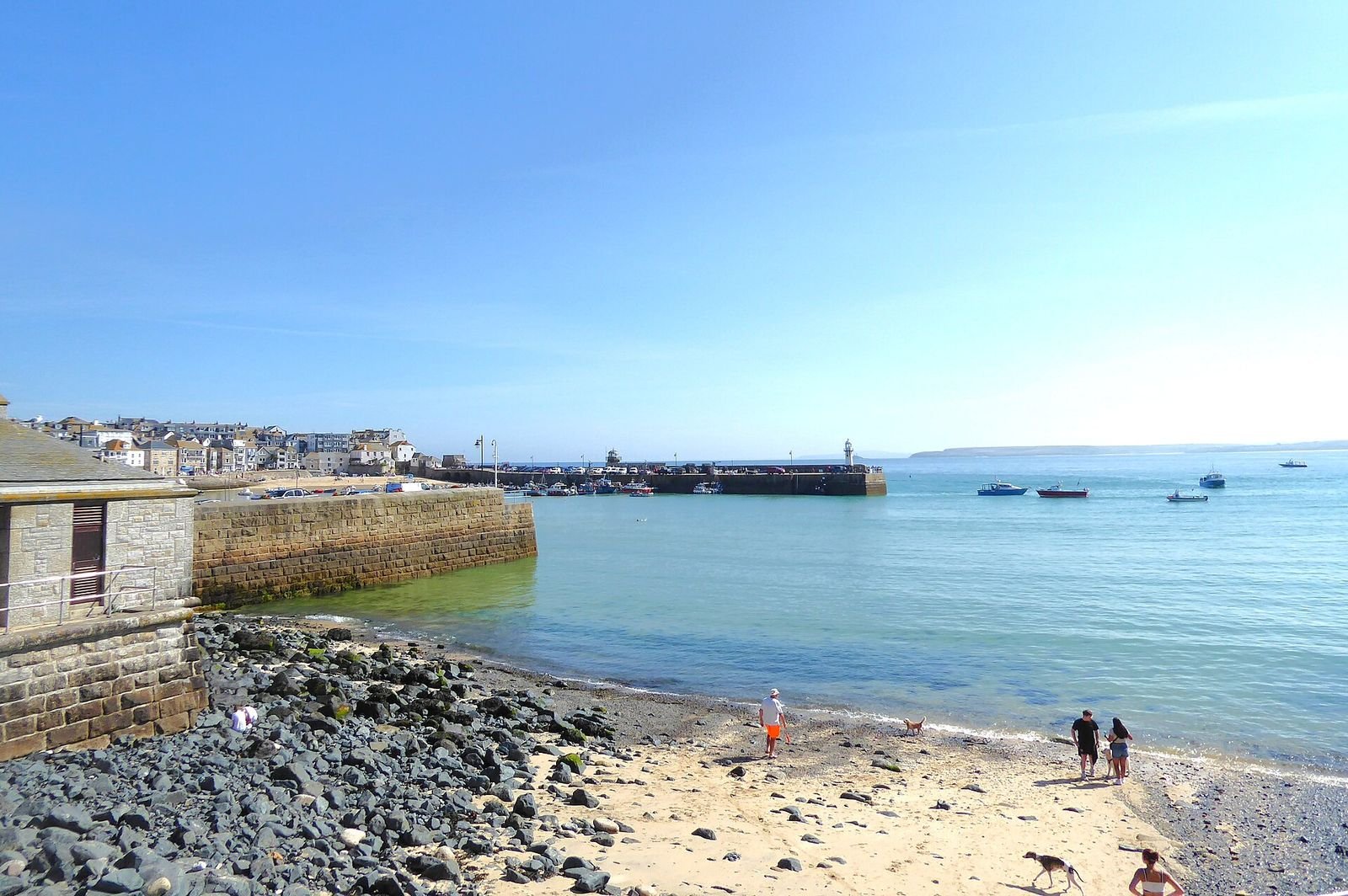
Artists have been drawn to Cornwall for its light since the late 1800s, when painters settled in Newlyn and St Ives. The draw is easy to understand: harbours full of boats, clear turquoise water, granite cliffs and villages that seem built for sketchbooks. St Ives is still a working art town, home to Tate St Ives and the Barbara Hepworth Museum, and courses here tend to mix studio time with painting on the harbour and the coast path.
Best for: seascapes, coastal light, harbour scenes.

Lake District
England’s most painted landscape. Lakes beneath high fells, stone villages and weather that changes by the hour make the Lakes a watercolour heartland. John Ruskin made his home at Brantwood on Coniston Water, and Beatrix Potter painted the fells she later helped to protect. Expect courses based in village halls and country houses, with days spent at lake shores and classic viewpoints.
Best for: watercolour landscapes, mountain weather, classic views.
Cotswolds
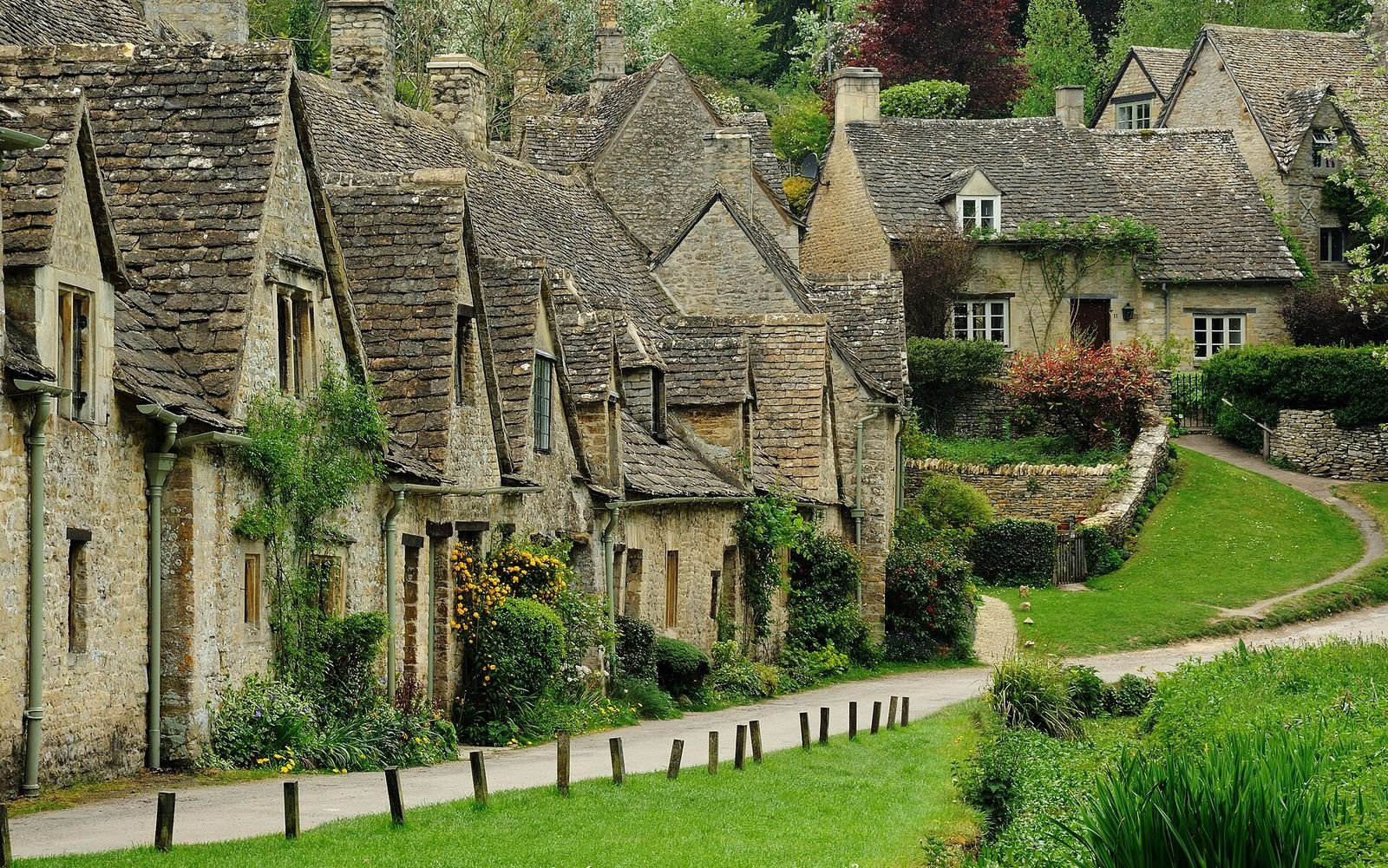
Honey-coloured villages, river valleys and an Arts and Crafts heritage, with day courses from £95 and residential painting holidays in the south Cotswolds.
Best for: village scenes, cottage gardens, relaxed sketching.

Scotland
For drama, Scotland wins. The Highlands offer lochs, glens and fast changing light, while Edinburgh pairs world class galleries, including the Scottish National Gallery, with a skyline made for urban sketching. Courses range from wild landscape weeks on the west coast to city sketching breaks.
Best for: atmospheric landscapes, big weather, city sketching.
Wales
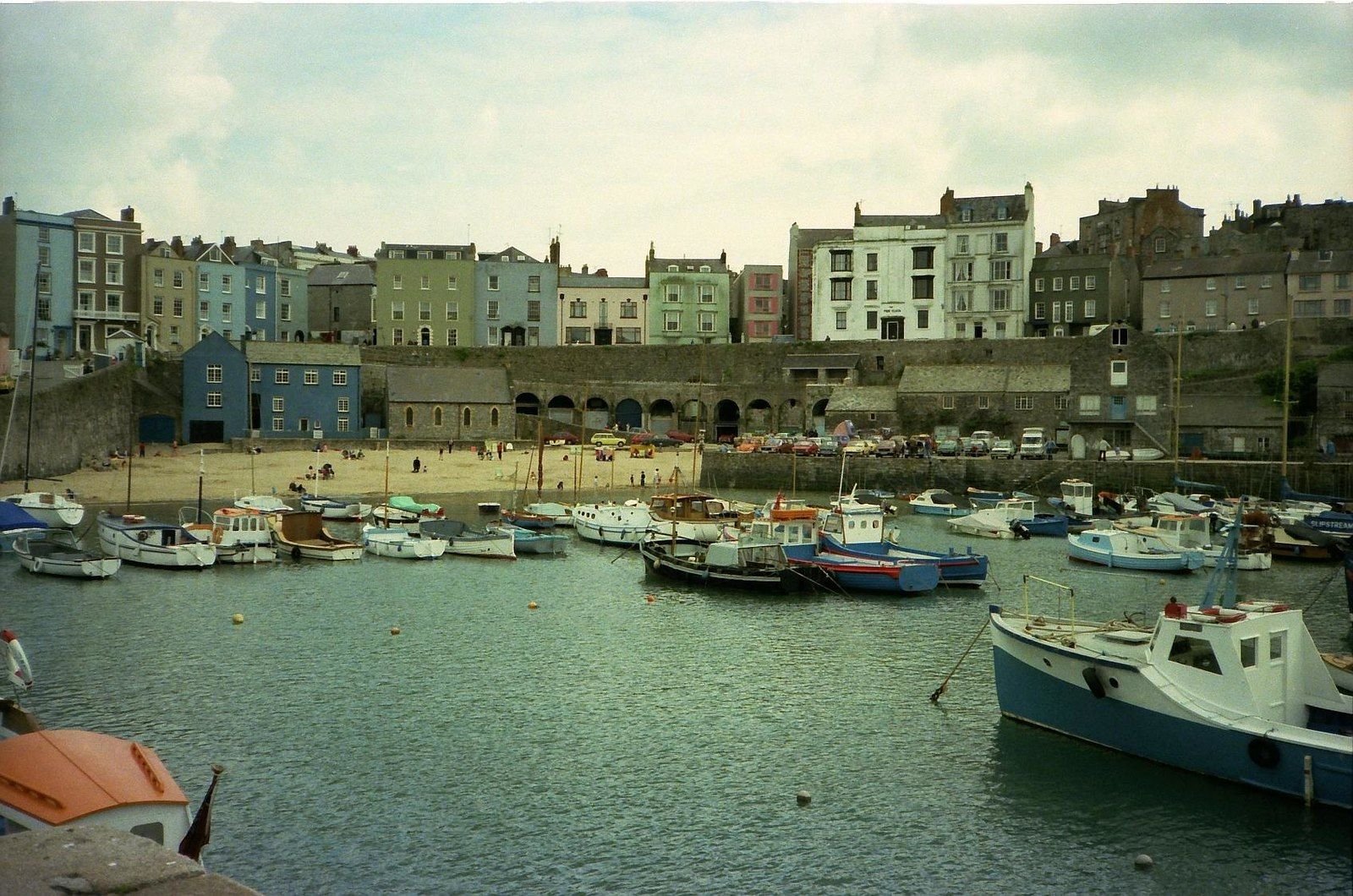
Wales packs a lot into a small country: the Pembrokeshire coast with its cliffs and harbour towns like Tenby, the mountains of Eryri (Snowdonia), and castles that give a painting instant structure. It is less crowded than the English honeypots, and full of painters who prefer it that way.
Best for: coastal painting, castles, mountain scenery.
Norfolk
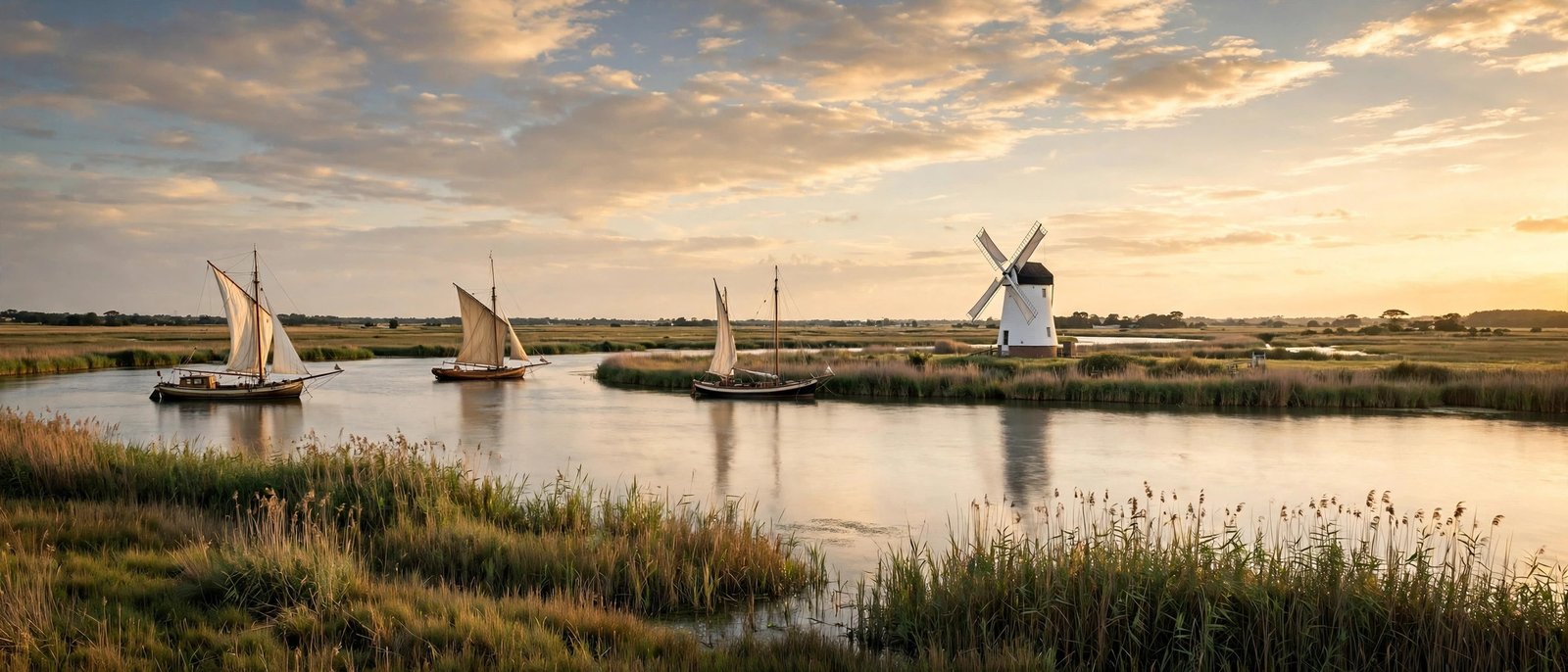
Norfolk is about the sky. The Broads give you wide water, reed beds, windmills and reflections, and the light feels endless. The Norwich School of painters, led by John Crome, built a whole movement on these flat landscapes two centuries ago. Courses here are peaceful, watery and unhurried.
Best for: big skies, reflections, quiet waterways.
Full destination guides, with where to stay and what to paint in each place, are on the way.